Cleaning and maintenance of an oriental rug is the work of a specialist. Please do not attempt major cleaning work at home unless you know exactly what you’re doing and are properly equipped. The stain removal tips below apply only to small stains, following the directions as written. American Rug Laundry does not take any responsibility for the results of these recommendations.
Vacuuming
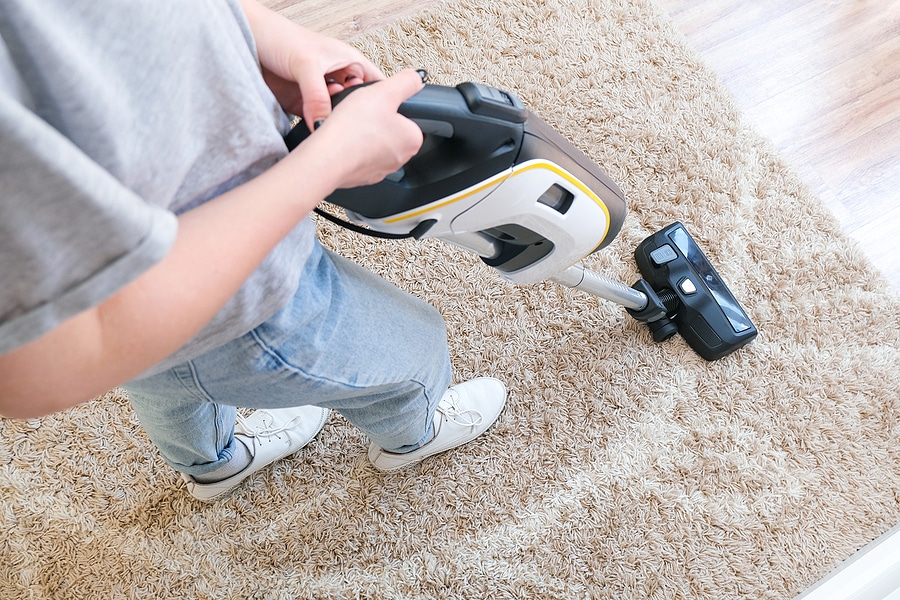
Vacuum your oriental rug regularly—at least once a week, depending on usage and traffic. You may use a beater brush, but do not vacuum fringes, as that may cause them to unravel and lead to other problems.
Cleaning
Your oriental rug can last a long time, given the correct care. Depending on usage and traffic, the rug should be cleaned professionally at least once every three years. Rugs accumulate dirt that is not visible to the eye. In addition, dust can accumulate at the bottom of the pile and cause “dry rot” over time, which destroys the foundation.
Some Stain Removal Methods
Use only cold water and mild detergent to clean shoe dirt or some food stains. Add one or two drops of a mild dish soap to a full glass of cold water. Try a clean rag or towel by using the lather from your cleaning solution, without over-saturating the stained area. Blot the area immediately using a dry towel. Some oil-based stains can be cleaned using a mild, fast-drying cleaning solvent, available at your local hardware store.
Bleeding and Color Fastness Issues
As an alternative cleaning solution to soap, try white vinegar, making a solution of two-parts vinegar to one-part cold water. This approach may be good for cleaning flat weaves such as kilims and sumac rugs. However, some kilims and other rugs are not color fast, and the dye may run from cleaning them with water. If your rug already shows signs of color bleeding, don’t attempt to clean it. If you’re unsure of the color fastness, you can test an area using a damp cloth. Rub the damp cloth against a strong color such as dark red. If the cloth absorbs the color, stop! Almost all silk rugs and many new rugs from Iran are NOT color fast, nor are many older Turkish or Persian kilims.
Animal Stains
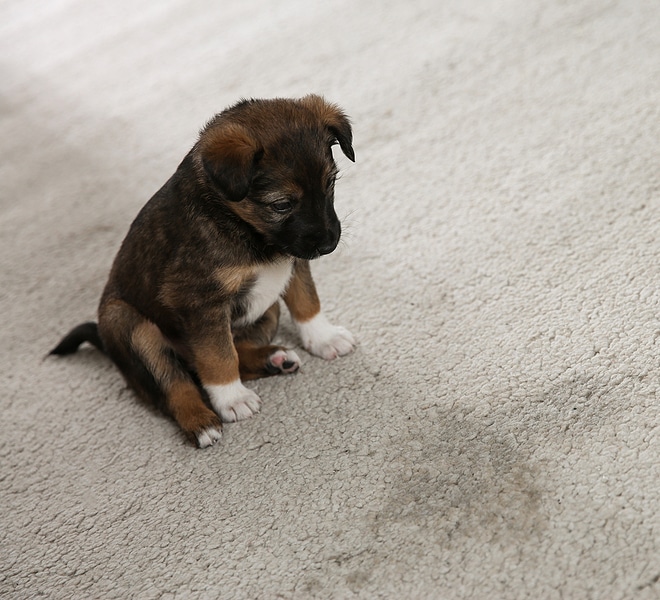
It’s best to take care of most animal stains immediately, as they may cause the dye to bleed. Getting rid of cat or dog urine and related odor is a major task that usually requires soaking a rug in a tank of purified water for at least 24 hours—a process that cannot be done at home and must be managed by a professional rug cleaner. Usually it’s possible to drain urine from a rug successfully but getting rid of an animal stain is less certain. With Persian rugs or rugs from India or Pakistan, we can usually remove both urine and stain. With a sculpted Chinese rug, nothing will remove the stain.
Moths - The Invisible Enemy
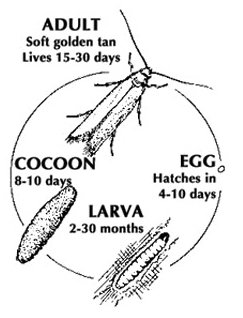
Moths can cause extensive damage to oriental rugs by attacking, the pile, fringe, and knots on the back. Flying moths don’t eat your rugs, but their eggs hatch voracious larvae that consume wool, fur, feather, and silk fibers. Moths and larvae thrive in dark, undisturbed areas where your rug gets little traffic and is not often vacuumed. You may recognize a bad infestation because it sometimes leaves a cobweb-like blanket in the damaged area, along with fine, sand-like debris.
Keep moths away with frequent rotation, vacuuming, and regular exposure to light and air. You can safeguard a rarely used rug by spraying the front and back every six-to-eight months with a moth deterrent or insecticide.
To store your rug, wrap it in breathable fabric, avoiding plastic which can rot or mildew. Placing the wrapped rug in a chest with a moth deterrent is ideal. Avoid storing it in a damp/humid area, which will weaken and discolor the fibers or in a hot/poorly ventilated area which will dry out the rug’s base, making it brittle and destroying strength and durability. Remember to inspect your rug often!